
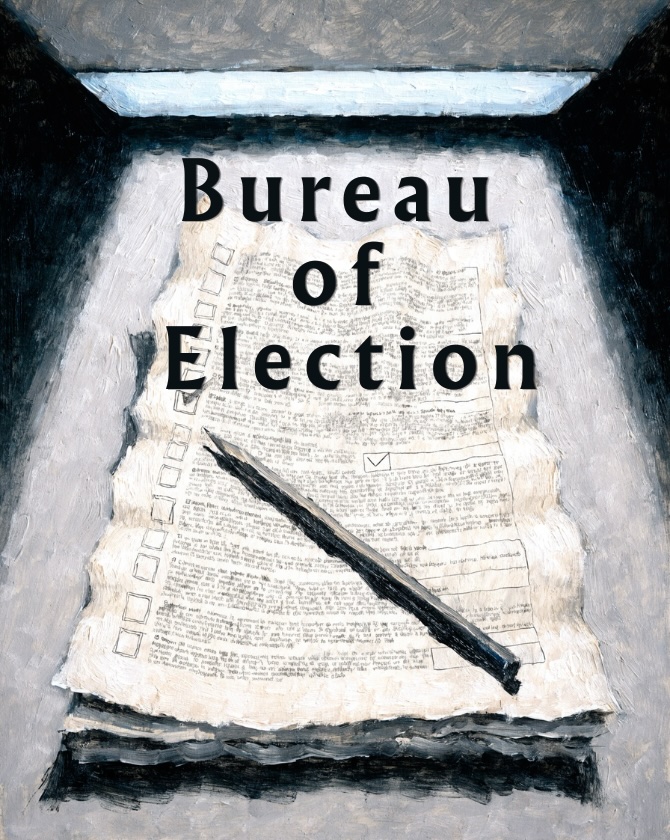
Content Summary
Riya has worked at the Bureau of Election for six years. Not elections — election. The Bureau processes public benefit claims: housing, disability, emergency relief. Her job is to approve the ones that qualify. She is good at it. She has never questioned the form. Then a colleague points out that approvals have dropped from seventy-one percent to fifty-two — a nineteen-point decline in eighteen months — and nothing about the eligibility criteria has changed. The same people, the same needs, the same rules. Something else moved. Riya begins reading the form itself: Form 14-C, a twenty-two-page document redesigned quietly and iteratively over two years. What she finds is not fraud. It is architecture. A checkbox moved from page two to page sixteen. A definition of "household" narrowed by six words. A signature field added in a location that requires a document most applicants no longer have. Every change is legal. Every change is a wall. The Bureau hasn't changed who qualifies. It has changed who finishes. Riya has seventy-two hours before a journalist publishes a version of this story she cannot correct, and a career measured in whether she can name what she's found without becoming the person the Bureau needs her to be — the one who knew, and said nothing, and stayed. A novel of choice architecture, bureaucratic design, and the twenty-two pages between a person and the help they were promised.