
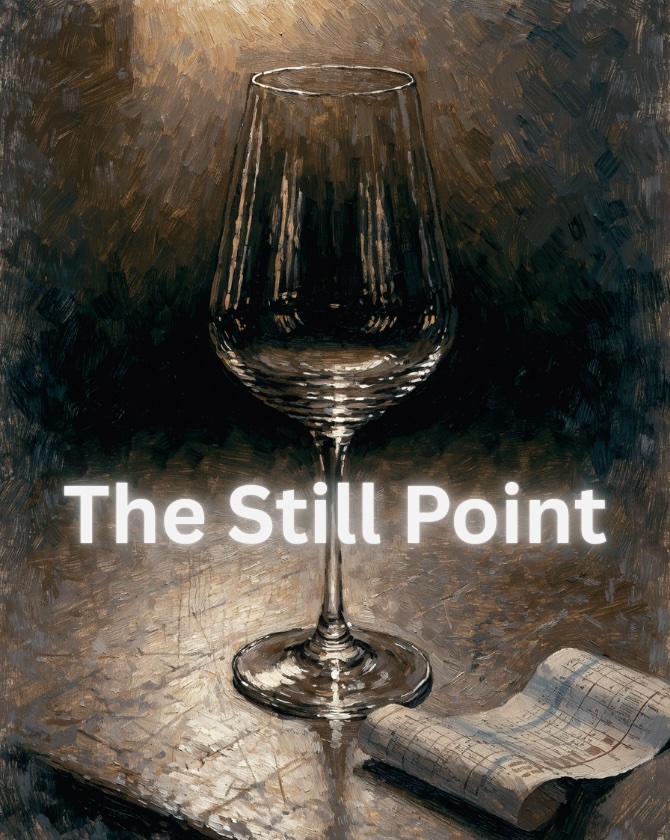
Content Summary
Nora Voss has been a social worker for eleven years. She is good at it — precise, unhurried, competent in rooms where competence is the only thing between a child and a system that processes children. She knows how to hold a case file without flinching. She knows how to say I'm concerned in a voice that makes judges listen. She also knows the price of an eleven-dollar bottle of wine, the hum of a refrigerator at 11 p.m., and the exact volume at which fine stops being an answer and starts being architecture. When a fourteen-year-old boy in her caseload writes a poem about a bus ride — forty-two lines, no metaphors, just what he sees — Nora recognizes something in it she has spent years not recognizing in herself. The hearing is Wednesday. The poem is in the file. Her sister now knows what no one was supposed to know. And the gap between who Nora is at her desk and who she is at her kitchen counter has become a room she has to stand in, with no furniture, no name for what she's doing there. The Still Point is a novel about functional alcoholism, child welfare systems, and the architecture of competence — what it holds, what it hides, and what happens in the space after the first true sentence has been spoken and before anything has been fixed. Knowledge domain: Alcohol Use Disorder (functional presentation) · Child welfare casework · The psychology of professional identity under personal dissolution